Home Window Tinting: Benefits, Types & Tips
Learn how home window tinting improves energy efficiency, privacy, UV protection, and safety with expert tips.
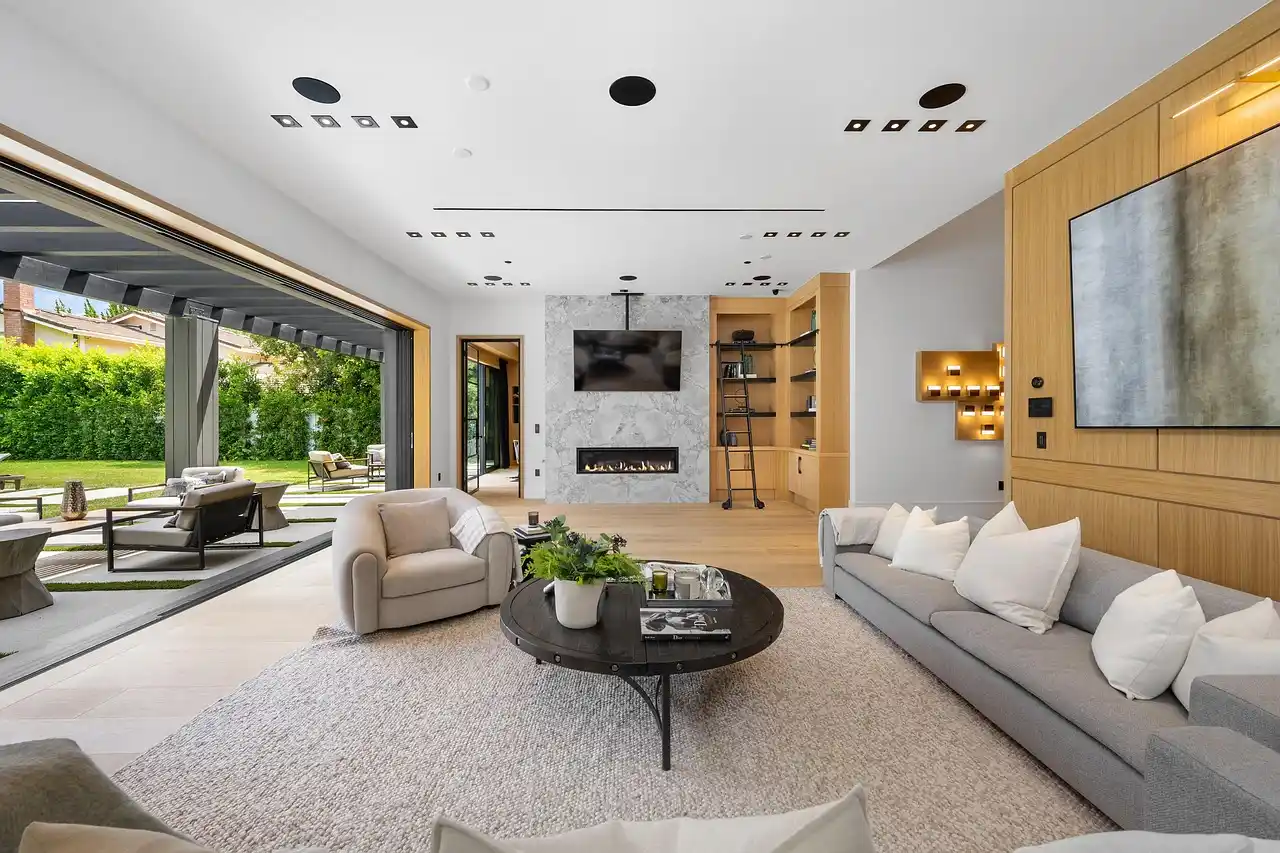
What is home window tinting?
Home window tinting means applying a thin film to interior surfaces of your windows to control light, heat, and UV exposure. The film is typically installed on the interior pane and can be selected in different shades and levels of reflectivity. Professional installers use precision equipment to ensure a smooth, bubble-free finish that lasts for years.
Benefits of home window tinting
Energy efficiency and heat control
The right tint reduces solar heat gain in summer and retains indoor warmth in winter, lowering cooling and heating costs. Higher heat rejection films are especially effective in sun-drenched rooms or glass-facing walls.
UV protection and interior preservation
Most window films block up to 99 percent of UV rays, helping prevent fading of fabrics, carpets, and artwork while protecting skin from sun exposure.
Privacy and glare reduction
Tints add privacy during the day and reduce glare on screens, creating more comfortable living spaces without sacrificing natural light. For neighborhoods with street-facing windows, this can be a meaningful enhancement.
Safety and security
Some films hold shards together when a window is broken, increasing security and reducing the risk of injury. This can be particularly valuable in homes with children or near high-traffic areas.
Choosing the right window tint for your home
Film types
Understanding film types helps you balance performance with cost and appearance. The most common options are listed in the table below.
| Film Type | UV Rejection | Heat Rejection | Glare Reduction | Durability | Approx. Cost | Notes |
| Dyed Film | Moderate | Medium | Moderate | Low to Medium | Low | Good value; some color fading over time |
| Metalized Film | High | High | High | High | Medium | Can interfere with electronics if not applied properly |
| Ceramic Film | Very High | Very High | Low to Medium | Very High | High | Excellent performance; non-metallic |
| Carbon Nano Ceramic | Very High | Very High | Low | Very High | High | Strong color stability; resists fading |
| Reflective Film | Very High | Very High | Very High | High | Medium to High | Glossy finish; may affect nighttime visibility |
Considerations for selecting tint
- Local laws and HOA rules about visible tint and reflectivity
- Orientation of windows and typical sun exposure
- Desired balance between privacy, light transmission, and appearance
- Long-term value, warranty, and maintenance requirements
Installation, care, and longevity
For best results, professional installation is recommended. Trained installers ensure a bubble-free application, precise edges, and proper sealing around edges and seals. A warranty often covers bubbling, peeling, and fading for a specified period. When cleaning, use soft cloths and mild cleaners; avoid abrasive pads and harsh chemicals that can damage the film.
Cost and return on investment
Prices vary by film type, window size, and labor. Dyed films are typically the most affordable, while ceramic and carbon options carry a higher upfront cost but deliver greater energy savings and durability. A rough ROI can be realized through reduced utility bills, extended furniture life, and improved comfort. If you own a home with large southern or western exposures, the payback period may be shorter due to higher heat load.
Frequently asked questions
- Will window tinting affect natural light or view?
- Is professional installation necessary?
- How long does film last and how is it maintained?
Conclusion, Home window tinting offers tangible benefits across energy savings, UV protection, privacy, and safety. By selecting the right film and using professional installation, homeowners can maximize comfort and ROI while ensuring compliance and long-term durability.