Small Bathroom Ideas: Clever Space-Saving Tips
Inspiring small bathroom ideas with practical, space-saving design tips and layouts.
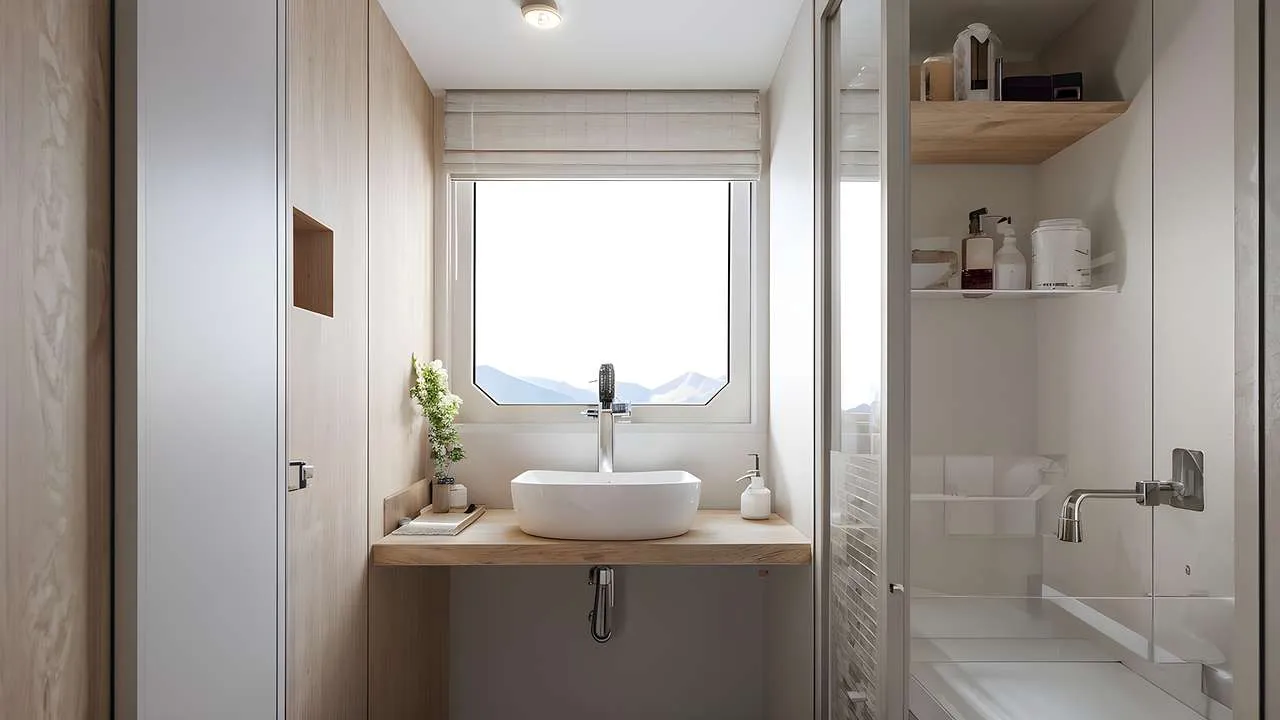
Designing a small bathroom can feel challenging, but with the right approach, you can achieve a space that feels larger, functions better, and still looks cohesive with your home. This guide blends practical design strategies with expert-friendly tips to help you implement effective small bathroom ideas that improve usability, aesthetics, and value.
Key Principles for Small Bathrooms
Plan Layout and Zones
Begin with a sensible layout that minimizes wasted space. If possible, opt for a pocket door or a sliding door to reclaim the clearance a swinging door would consume. Divide the room into three clear zones: cleansing (shower and toilet), grooming (vanity and mirror), and storage. A compact footprint—roughly 5x7 feet or smaller—can work beautifully when fixtures are chosen and positioned with intention. Prioritize a shower over a tub in most small baths to maximize daily usable area.
Choose Light Colors and Reflective Surfaces
Light hues such as soft whites, warm beiges, or airy grays create an immediate sense of space. Pair these with reflective surfaces: glossy tiles, polished stone, or a large-framed mirror. A frameless glass shower enclosure can visually expand the room, and large-format tiles reduce grout lines, contributing to a cleaner, more open feel.
Smart Storage Solutions
Storage is the heartbeat of a functional small bathroom. Prioritize wall-mounted cabinets, recessed niches, and floating vanities to keep the floor clear. Consider a tall, slim storage tower or a recessed medicine cabinet to maintain a streamlined look. Accessories like corner shelves and magnetic hooks add utility without crowding the space.
Sanitary Fixtures and Space-Saving Options
Choose compact, wall-mounted, or dual-flush toilets to save every inch. A wall-hung vanity with a small sink and integrated storage makes the floor look bigger, while a corner or neo-angle shower enclosure can fit awkward layouts without sacrificing comfort. Consider a curbless shower for ease of movement and a modern, open aesthetic.
Lighting and Ventilation
Layer lighting to avoid shadows: a combination of ceiling fixtures, task lighting around the vanity, and subtle LED strips under cabinets or around mirrors can dramatically change the perceived space. Good ventilation is essential in small bathrooms to prevent moisture buildup and maintain material longevity, so ensure an appropriately sized exhaust fan and, if possible, a window that can be opened.
Design Ideas and Examples
Color, Materials, and Texture
Neutral palettes with a splash of color in accessories can make a small bathroom feel larger without overwhelming the space. Mix textures—matte paint with glossy tile, or natural stone with matte fixtures—to add depth. Use durable, water-resistant materials that withstand humidity and are easy to clean.
Fixtures That Maximize Space
Wall-mounted faucets, a recessed vanity with a shallow depth, and a compact pedestal or wall-hung toilet can dramatically increase perceived and real space. When selecting a shower, a curved or quadrant enclosure often fits awkward corners better than a standard rectangular stall.
Mirror and Storage Strategies
A large wall mirror expands the visual space, especially when paired with good lighting. Consider a mirrored medicine cabinet for concealed storage or a LED mirror that provides both illumination and reflection without taking up extra space.
Budget Considerations and Maintenance
Small bathroom projects can vary widely in cost depending on fixtures, materials, and labor. Prioritize durable, low-maintenance finishes (ceramic or porcelain tiles, quartz countertops, solid-surface vanity tops) to reduce upkeep over time. If you’re renovating on a tighter budget, focus spend on high-impact changes—shower area, vanity, and lighting—while choosing affordable but stylish accessories and paint. Regular sealing and proper ventilation will extend the life of your materials and keep the space looking fresh.
Design Options at a Glance
The following table summarizes common choices for small bathrooms and helps weigh their benefits.
| Option | Pros | Cons | Best For |
|---|---|---|---|
| Curbless shower | Accessible, open feel | Water splash risk on non-tiled floor | Tight layouts, modern look |
| Glass shower door | Light, visually expands the room | Higher cost and cleaning considerations | Open plan, high-end feel |
| Wall-mounted vanity | Creates under-vanity clearance, easier cleaning | Limited storage if small | Compact bathrooms |
| Tall slim storage cabinet | Vertical storage, minimizes footprint | Requires wall space and sturdy mounting | Shared or family baths |
When applying these ideas, measure carefully, choose compatible fixtures, and plan around plumbing and electrical constraints. Small bathroom design benefits from flexibility—prioritize elements you use daily and style them to reflect your home’s personality while preserving openness and ease of cleaning.
Implementation Checklist
- Map the space with accurate measurements and door swing directions.
- Choose a focal point (shower wall, vanity mirror) to guide design decisions.
- Select storage-first fixtures (vanities with drawers, recessed niches).
- Incorporate reflective surfaces and layered lighting for depth and usability.
- Test materials for durability against humidity and cleaning products.
Conclusion, by embracing compact fixtures, clever storage, and light-reflective surfaces, a small bathroom can feel generous in both form and function. Start with a solid plan, invest in scalable elements, and you’ll achieve a stylish, durable space that serves daily needs with ease.